Three by Three: Guest Artists in Focus
QUESTION 2. Because your artwork lives so briefly, what part of the craft matters most to you — the planning, the building, or the moment you step back before nature begins to reclaim it?
ANSWER 2. My art may be fleeting and ephemeral but to me that makes it even more real and alive in some way. It has a life that is more dynamic and vigorous than traditional art, but that same brevity might make some people think it's more trivial or insubstantial. When things go well (and that's by no means always) each element of the whole process from idea through execution to completion feels equally important and seamless. I always say thank you to the river or tree or stone when I turn and walk away.
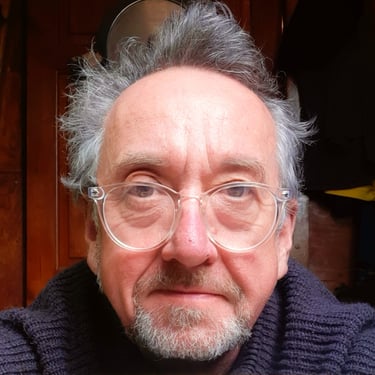
Winston Plowes
Nature Artist
MEDIUM: Any Natural Resource
BIO: Winston Plowes is based near Mytholmroyd in the Calder Valley where he lives in his floating home on the Rochdale Canal with a deaf white cat, Abigail and his spiritual advisers Maureen & Ringo, two elderly Canada geese. He makes nature art (land art) using any of nature’s resources that come to hand. His art responds directly to his surroundings, evolving from a random incident, growing from a seed of thought or a preparatory sketch. Winston’s art owes its life and death to a light breeze, the onset of rain or simply the passage of time. The more he works in this genre the more he has become aware of transience and loss and wonders if his practice as an artist could help him, and others learn valuable lessons about how to process ideas of impermanence. His work has featured on TV and has been published in numerous online and physical journals as well as featuring in exhibitions and gallery spaces. He teaches art in schools and to adult groups.
FACEBOOK: Winston Plowes - Land Artist
QUESTION 3. When you create intricate geometric work along a riverbank for example, how much do the existing contours of the land dictate the geometry you choose?
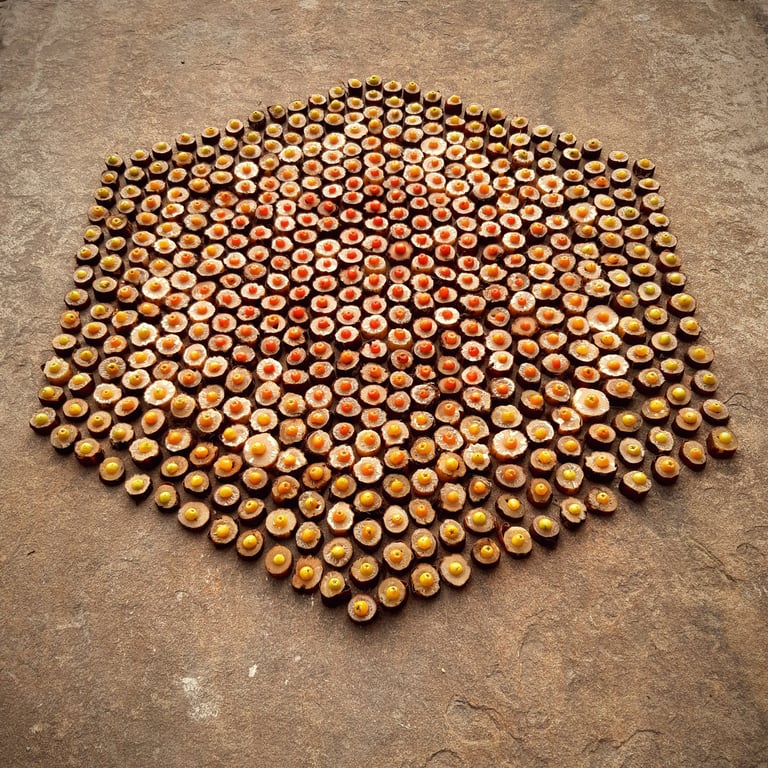
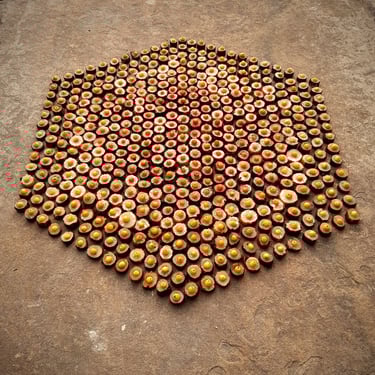
ANSWER 3. Site specificity is vital in my work. Nature art can be just about clearing a space in the leaf mulch on the woodland floor and making something there but when it works well the art is in tune with its setting and there’s a two way conversation between it and its surroundings like my piece, Bridge #1 which is actually made on a flat gravestone and its hexagonal shape was chosen because of its symbolism in some religions as a bridge between the worldly and the divine.
QUESTION 1. When weather or wildlife alters your work sooner than expected, how do you interpret that change — as loss, co-authorship, or simply the next chapter in the piece’s life?
ANSWER 1. In an increasingly acquisitional world which revolves around ownership and money, it might seem futile to be 'playing' with sticks and sand in the woods or on a beach, but I think that's exactly what we need to reconnect ourselves to our environment. The more I work like this the more I am aware of the forces and processes of nature that might affect my work, and I am constantly asking the question, "Can the process of making and that experience be enough". People complete jigsaws and then put them back in a box and I guess this is a little like that. You can write your name on a beach, but you can't take the beach home with you although of course you can take a photograph. I am not trying to control nature, rather just ask it for the next dance. I do not own any of my work, it is a gift, a thing out in the world just doing its best.
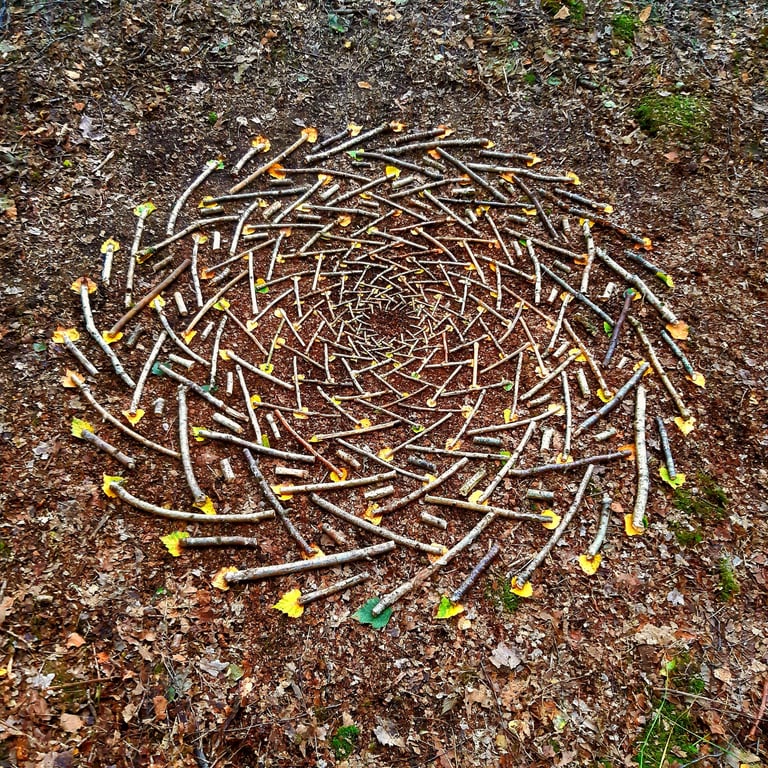
‘Tangent’ Sept 2024, Heptonstall Woods. Various Twigs & Birch Leaves
All copyright and reproduction rights are reserved by Winston Plowes.
Artwork may not be reproduced in any form without the artist's express written permission.
CLICK IMAGE FOR FULL VIEW
CLICK IMAGE FOR FULL VIEW
CLICK IMAGE FOR FULL VIEW
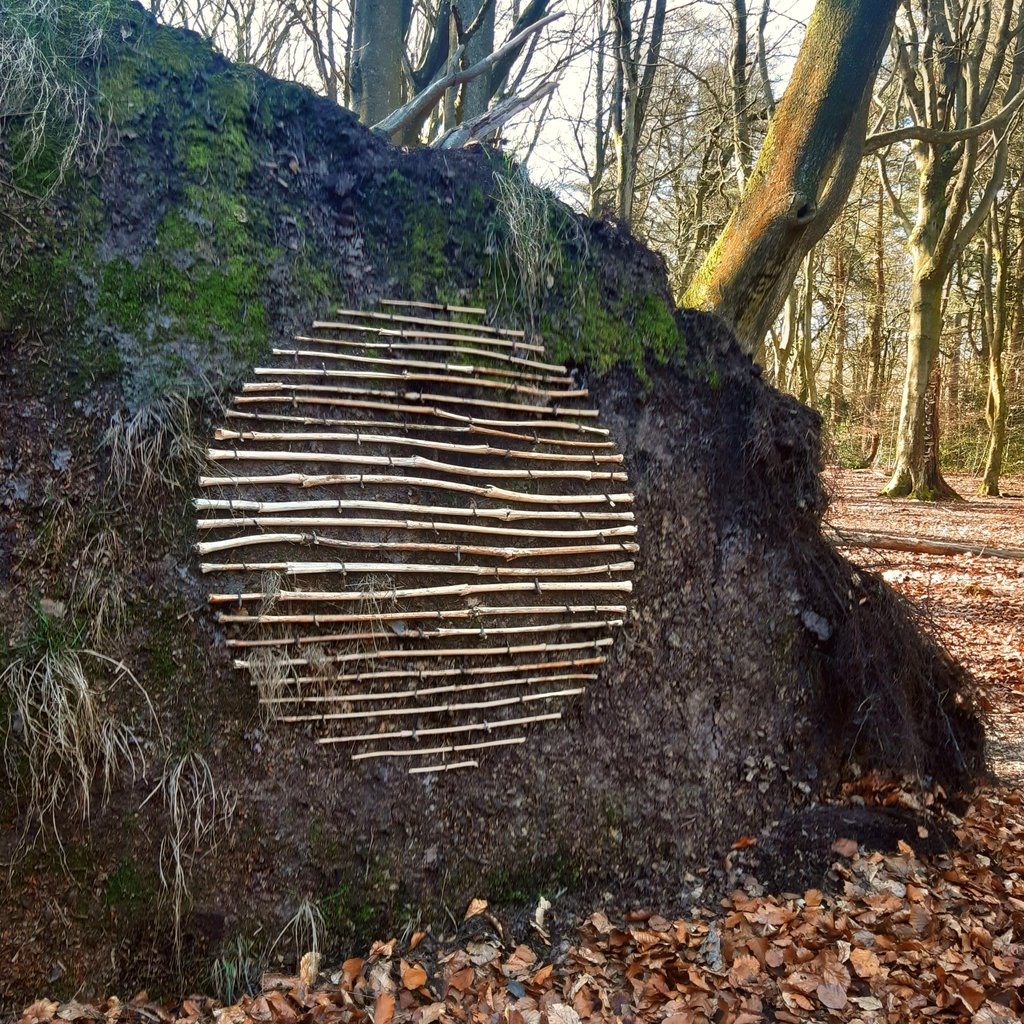
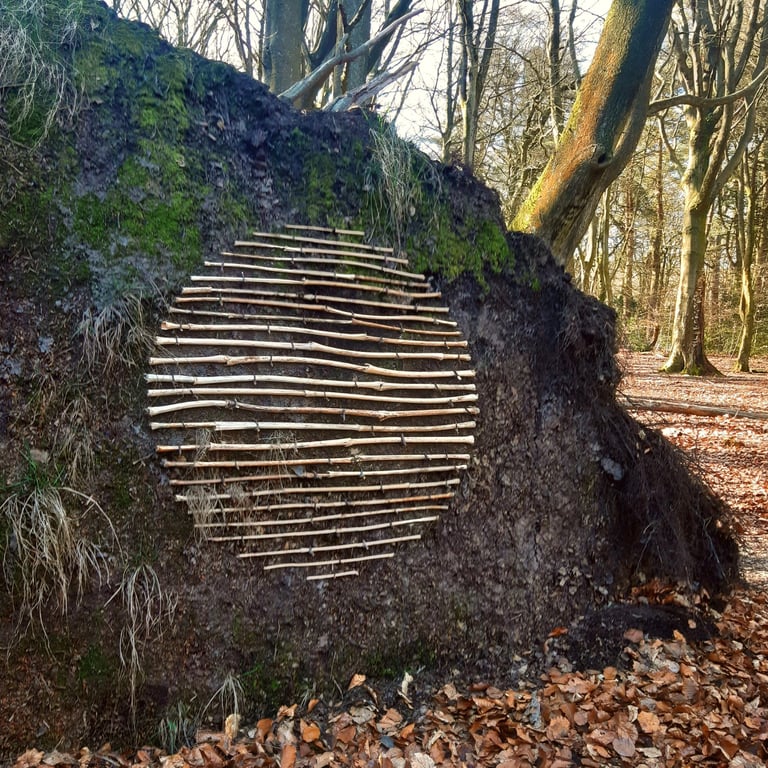
‘Sliver’ March 2025, Mixenden Plantation.
Dried Himalayan Balsam Stalks & Windthrown Root Plate
‘Bridge #1’ Wainsgate Graveyard, Old Town. Bull Kelp Slices & Rowan Berries
All images and written materials on this website are protected intellectual property. All copyright and reproduction rights are reserved by KC Magrath.
Artwork may not be reproduced in any form without the artist's express written permission.
Any use of this content to train, develop, or operate generative artificial intelligence or machine-learning systems-whether commercial or non-commercial—is expressly prohibited without prior written permission.
Photos by KC Magrath are reduced in resolution and watermarked. Purchased images will be at the resolution listed in the store and without watermarks.
Purchased digital downloads are intended solely for personal use at the prices listed.
For commercial use or inquiries about designating a photo as a Limited Edition, please email.
Licensing Agreement.
Privacy Policy
Cookies Policy
Giveaway1 & Terms