Three by Three: Guest Artists in Focus
QUESTION 2. Your portraits often hinge on facial expressions that feel raw rather than posed. What tells you that an expression has crossed from performance into something psychologically truthful?
ANSWER 2. I’m attentive to moments when control starts to loosen—when an expression no longer feels held for an outside viewer but settles into something inward. Psychologically truthful expressions tend to resist clarity; they’re often unstable, fleeting, or slightly contradictory. When a face stops “signaling” and begins to register hesitation, fatigue, or vulnerability, it feels less like performance and more like presence. I’m interested in that threshold, where the subject is no longer presenting themselves but simply existing, even briefly, in front of the gaze.
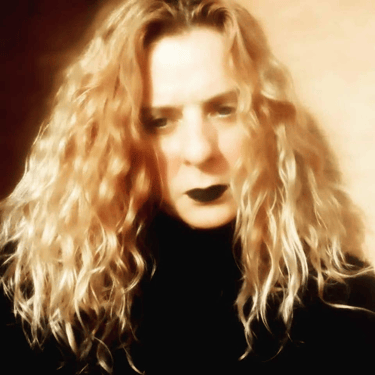
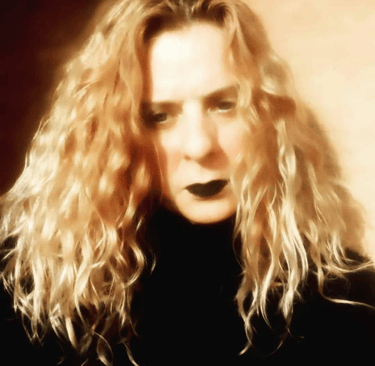
Juliet Mathes
Painter
MEDIUM: oils
BIO: I am an artist based in Kraków, Poland. My practice is grounded in human presence, intention, and the physical act of making. I work slowly and deliberately, valuing process, imperfection, and direct engagement with materials and ideas.
I reject the use of artificial intelligence in the arts. For me, art is inseparable from human experience, authorship, and responsibility. Automated systems may replicate form, but they cannot replace thought, memory, or lived experience.
My work resists speed, automation, and aesthetic standardization. It is an assertion of human agency and the continued relevance of making art by human hands.
INSTAGRAM: @Juliet.Mathes_Arts
QUESTION 3. You extend your portrait practice to animals and often suggest parallels between human and non-human vulnerability. What draws you to exploring that shared emotional ground?
ANSWER 3. Working with animals allows me to approach vulnerability without the social frameworks that shape human self-presentation. Their expressions are not performed in the same way, yet they still carry emotional weight—alertness, fear, calm, withdrawal—that reads immediately and intuitively. Placing animal and human subjects within the same conceptual space allows me to consider vulnerability as a shared condition rather than a uniquely human one. The work isn’t about anthropomorphizing animals, but about recognizing a parallel exposure to being seen, observed, and interpreted.
QUESTION 1. Living and working in Kraków for over a decade places you in constant dialogue with European painting history. How has being surrounded by that visual lineage changed the way you think about drama, restraint, or emotional honesty in your own portraits?
ANSWER 1. Living and working in Kraków for over a decade has made European painting history feel less like a distant reference and more like a daily presence—almost a silent interlocutor. Being surrounded by that lineage has sharpened my sensitivity to restraint: I’m constantly reminded that drama doesn’t need to announce itself loudly. In the works of painters you encounter here—whether Gothic altarpieces, Baroque interiors, or later Symbolist echoes—emotion is often held in tension rather than released outright. That has deeply influenced how I approach portraiture.
Instead of relying on overt gesture or expression, I’ve become more interested in what happens just beneath the surface: a withheld look, a slight imbalance in posture, a shadow that complicates a face. Kraków’s visual history encourages patience—allowing the painting to withhold as much as it reveals. Drama, in this context, emerges through accumulation and silence rather than spectacle.
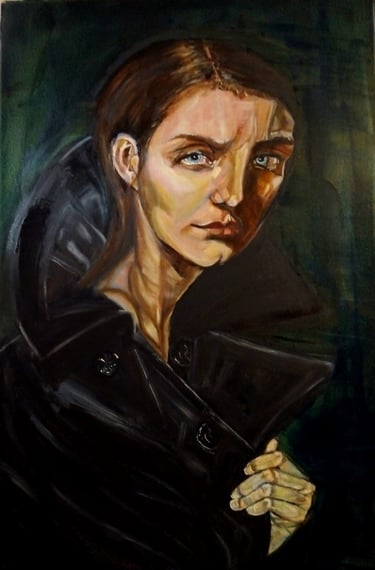
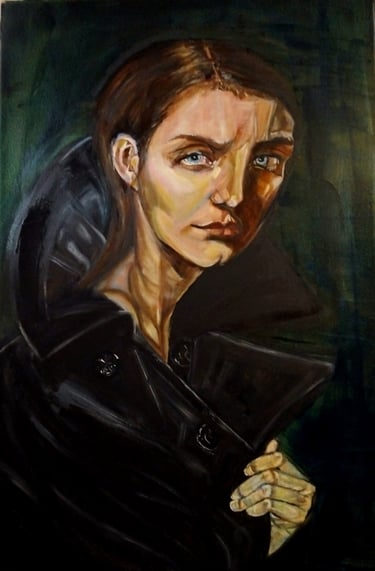
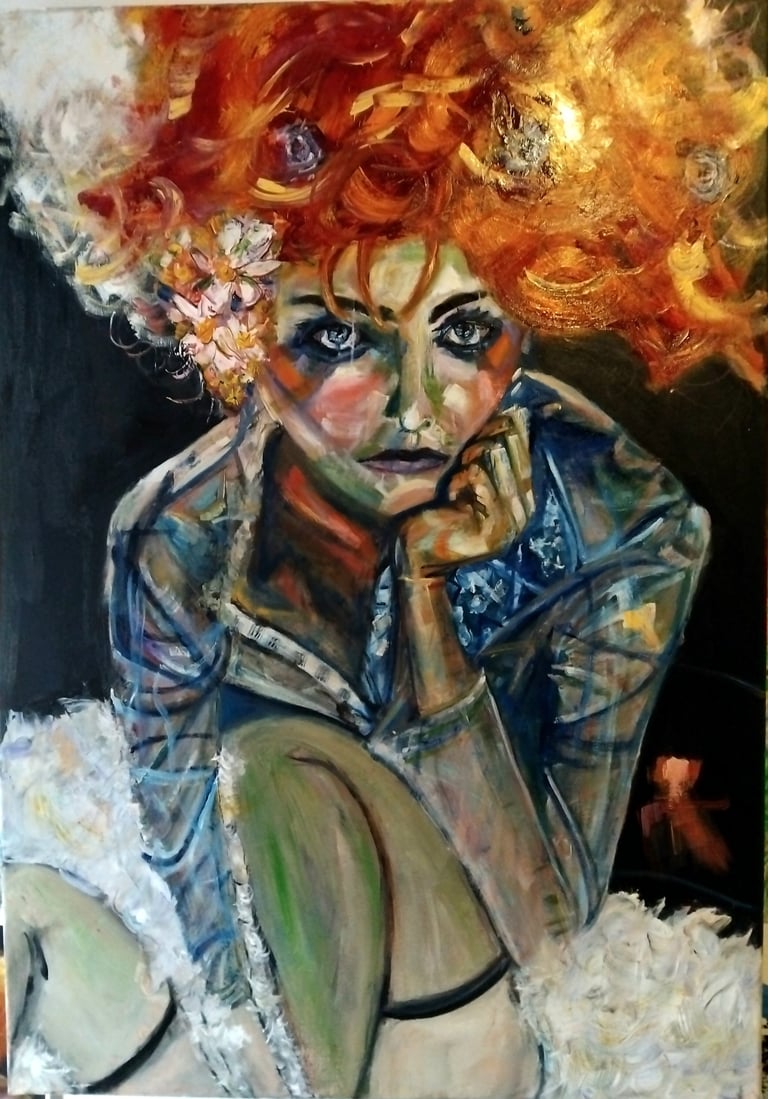
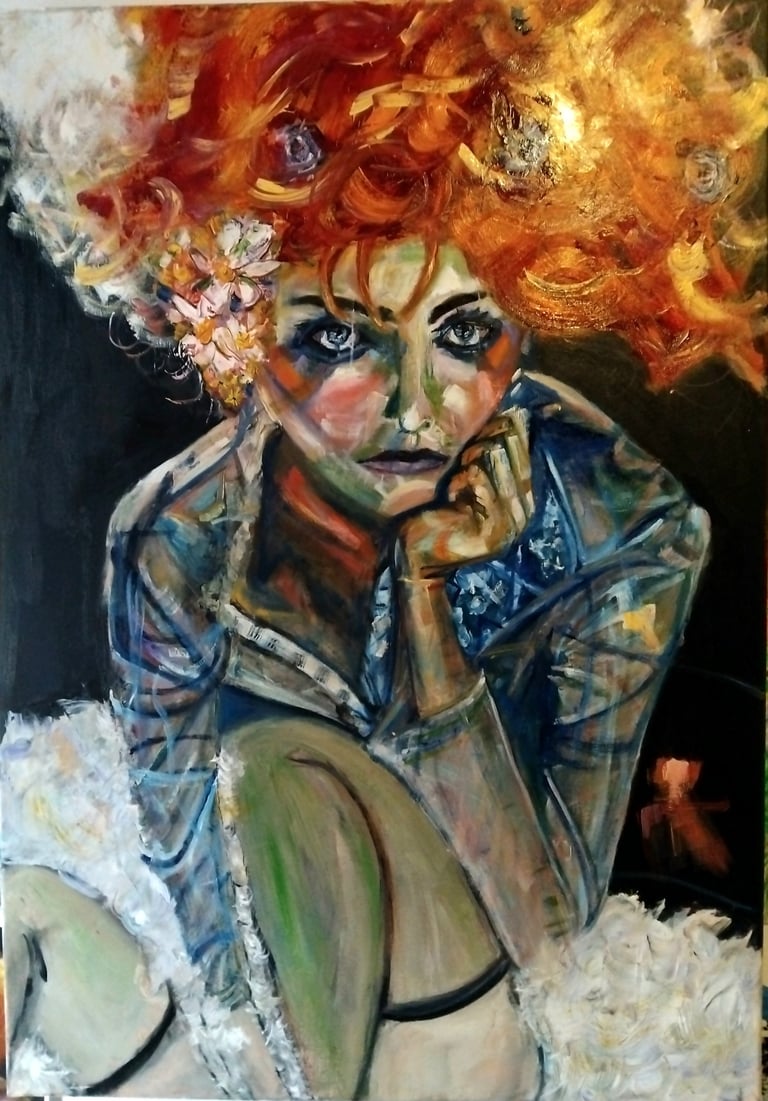
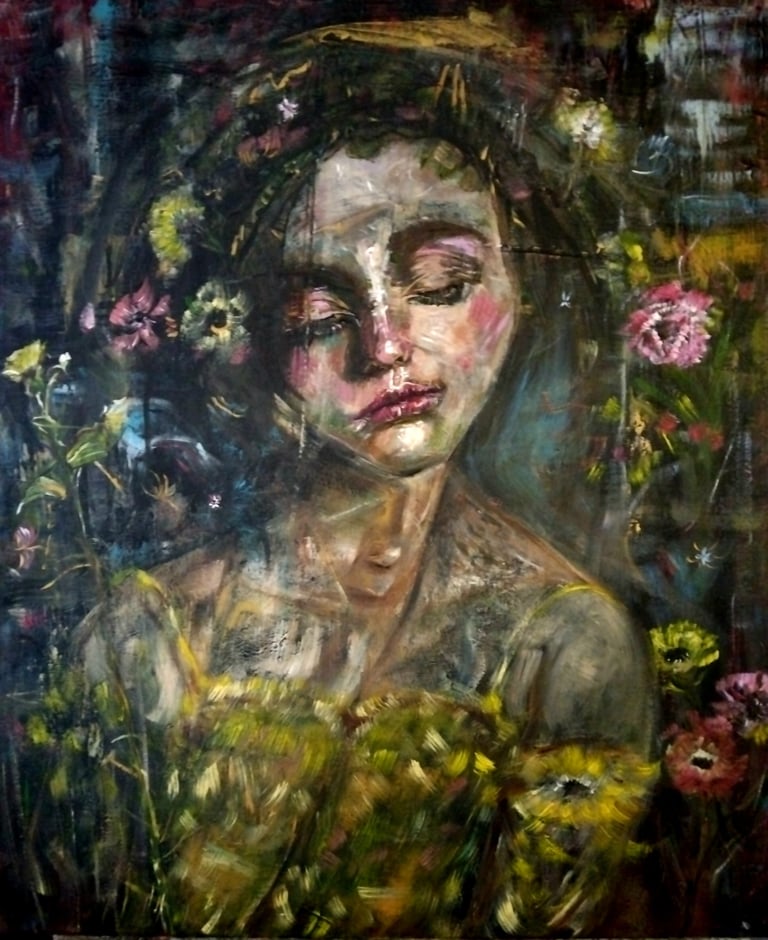
'Stage Drama', oil on canvas; Drama Series Portrait 8, 70 x 100 cm
'Silent Spring', oil on canvas, 60 x 70 cm
'Silence is Grey', oil on canvas, Drama Series, Portrait 7, 60 x 90 cm
All copyright and reproduction rights are reserved by Juliet Mathes.
Artwork may not be reproduced in any form without the artist's express written permission.
CLICK IMAGE FOR FULL VIEW
CLICK IMAGE FOR FULL VIEW
CLICK IMAGE FOR FULL VIEW
All images and written materials on this website are protected intellectual property. All copyright and reproduction rights are reserved by KC Magrath.
Artwork may not be reproduced in any form without the artist's express written permission.
Any use of this content to train, develop, or operate generative artificial intelligence or machine-learning systems-whether commercial or non-commercial—is expressly prohibited without prior written permission.
Photos by KC Magrath are reduced in resolution and watermarked. Purchased images will be at the resolution listed in the store and without watermarks.
Purchased digital downloads are intended solely for personal use at the prices listed.
For commercial use or inquiries about designating a photo as a Limited Edition, please email.
Licensing Agreement.
Privacy Policy
Cookies Policy
Giveaway1 & Terms