Three by Three: Guest Artists in Focus
QUESTION 2. You actively teach and share process through videos and community groups. What’s the most common misconception beginners have about macro photography that you try to undo early?
ANSWER 2. The most common misconception I encounter is that macro photography is simply a matter of buying a macro lens, focusing on a subject, and clicking the shutter. Many beginners think it's that straightforward, but the reality is far more nuanced.
Macro photography is a journey that unfolds through time and experience. As you spend hours in the field, you begin to understand how different angles transform your subject, how backgrounds can either enhance or distract from your main focus, and how the surface your subject rests on affects the overall composition. You learn to see which elements make an insect truly stand out versus getting lost in the frame.
I try to help beginners understand early on that this craft requires experimentation and patience. There's no single "right" way—instead, you develop your eye and your style through practice. Each shoot teaches you something new about light, composition, and the behavior of your subjects. That's what I share through my videos and community discussions: not just the technical basics, but the mindset of continuous learning and creative exploration that makes macro photography so rewarding.


Norman Celis
Nature and Wildlife Photographer/Macro Photographer
BIO: I'm a graphic artist working at a publishing company in Manila, Philippines, where photography serves as my creative refuge. Macro photography, in particular, helps me relax and recharge—especially when I venture outside the city to places like Infanta, Quezon, an area rich in biodiversity. Through my lens, I capture the intricate beauty of insects, birds, and other wildlife, sharing these images to raise awareness about the importance of protecting our natural ecosystems. Each tiny subject tells a story about the delicate balance of nature and why these often-overlooked creatures matter. My work is entirely hands-on—no AI, just patience, observation, and a deep appreciation for the living world around us.
FACEBOOK: BehindTheLens
QUESTION 3. Many of your subjects are creatures people instinctively fear or overlook. What do you hope happens emotionally when someone pauses long enough to really see them through your lens?
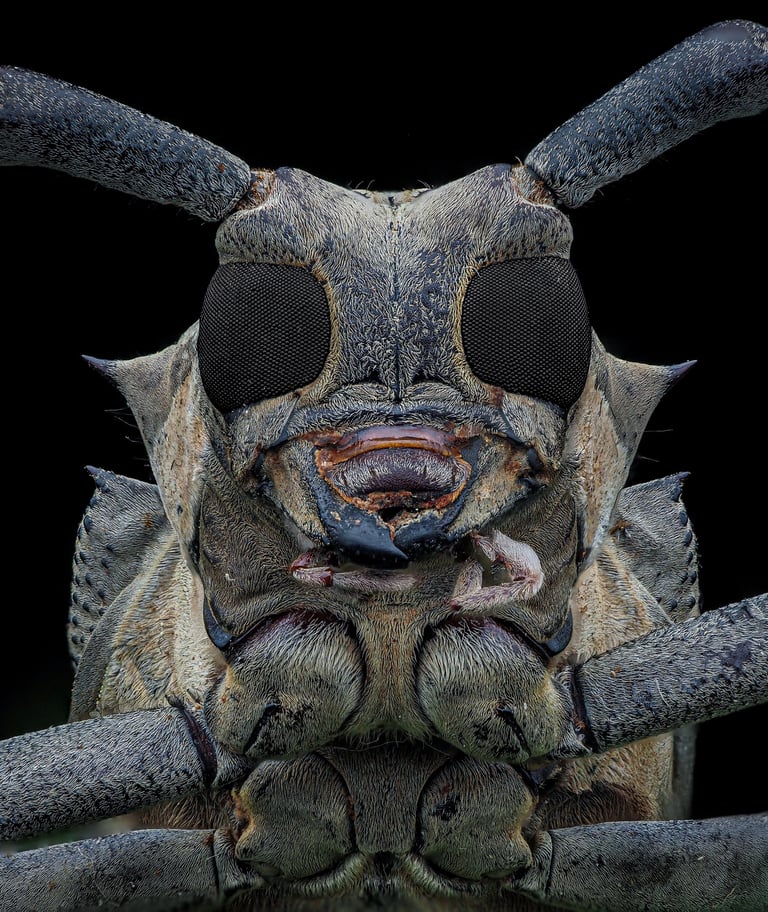
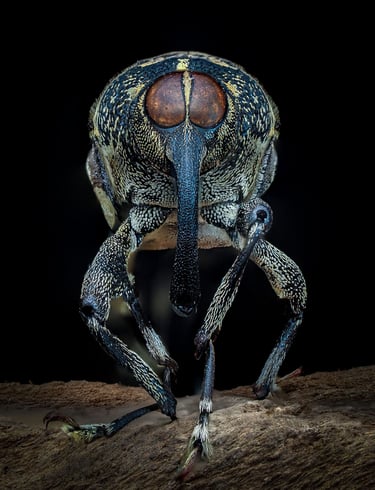
ANSWER 3. I completely agree that many people instinctively fear the subjects I photograph—especially creatures like longhorn beetles and spiders. When someone expresses fear in response to my posts, I always reply with kindness and share the benefits these creatures provide to our ecosystem. I remind them that God created every creature with a purpose, no matter how small or misunderstood.
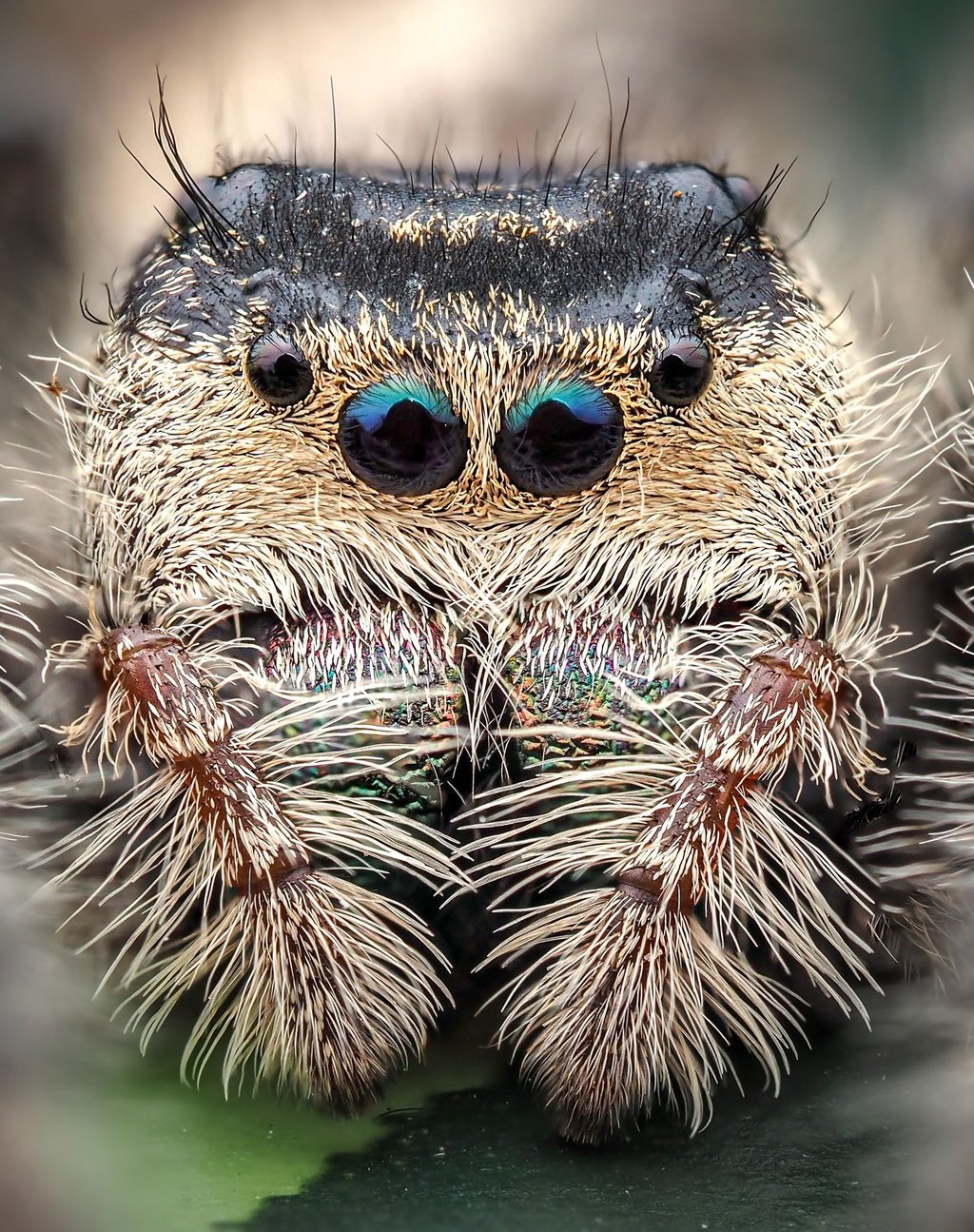
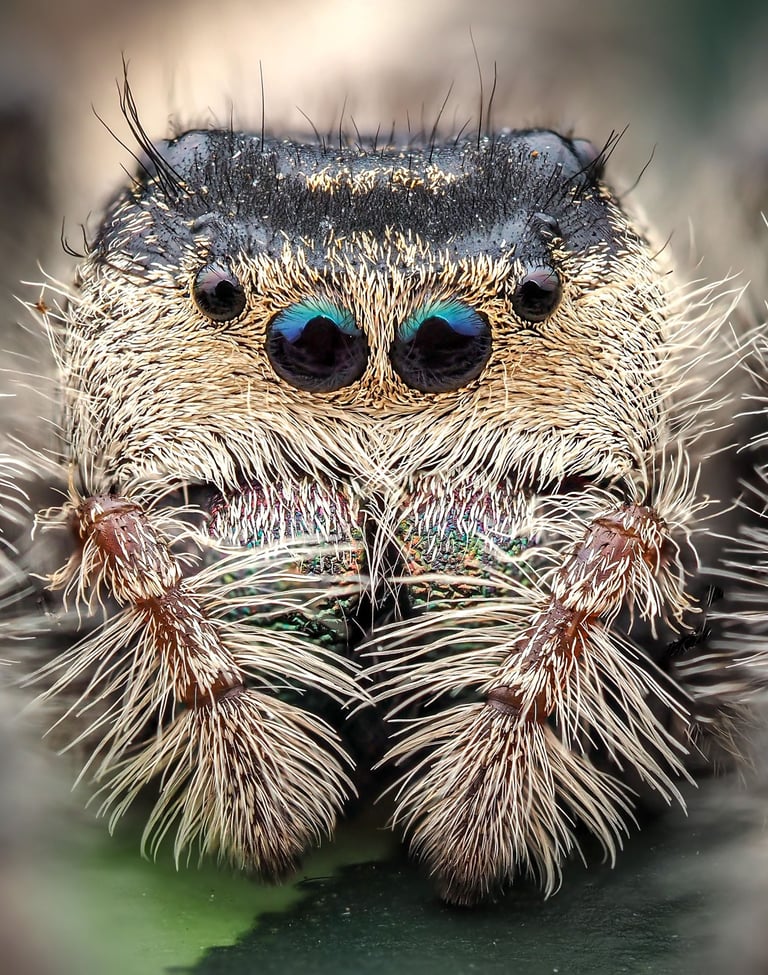
What's been truly rewarding is watching my followers' perspectives shift over time. Many who initially feared spiders have developed genuine empathy toward them, particularly after seeing my photos of jumping spiders. These images reveal their curious, almost endearing personalities—their large eyes and tiny gestures that make them feel approachable rather than threatening. People begin to recognize that these creatures actually protect our homes by catching pests we don't want around.
When someone pauses long enough to really see these insects through my lens, I hope they experience a moment of connection and understanding. I want them to move past their initial fear or indifference and discover the intricate beauty and purpose in creatures they might otherwise dismiss or harm. If my photography can transform fear into appreciation—or even wonder—then I've succeeded in my mission to raise awareness about protecting the natural world.
QUESTION 1. Using tools like the Olympus E-M1X and a dedicated macro lens gives you extreme clarity. Beyond gear, what camera settings or physical techniques have mattered most in achieving consistent results?
ANSWER 1. While the Olympus E-M1X and my macro lens provide the foundation, I've learned that photography is fundamentally about light—without it, there's no photograph. That's why I've invested significantly in quality lighting equipment, which has been crucial for capturing great macro shots.
Using a light diffuser has been transformative for my work. It helps create a natural look that's essential in macro photography, where harsh direct light can easily overpower tiny subjects or create distracting shadows. Most macro photographers rely on diffusers for this reason—they soften the light and reveal details in a way that feels authentic rather than artificially lit.
Beyond lighting, I've found that patience and field technique matter enormously. In places like Infanta, Quezon, where I often shoot, working with live insects and wildlife means adapting to their behavior, steadying my hands, and sometimes waiting for the perfect moment when both the subject and the natural light align. It's this combination of proper lighting tools and mindful technique that gives me consistent results.
Title 2
Title 3
Title 1
All copyright and reproduction rights are reserved by Norman Celis.
Artwork may not be reproduced in any form without the artist's express written permission.
CLICK IMAGE FOR FULL VIEW
CLICK IMAGE FOR FULL VIEW
CLICK IMAGE FOR FULL VIEW
All images and written materials on this website are protected intellectual property. All copyright and reproduction rights are reserved by KC Magrath.
Artwork may not be reproduced in any form without the artist's express written permission.
Any use of this content to train, develop, or operate generative artificial intelligence or machine-learning systems-whether commercial or non-commercial—is expressly prohibited without prior written permission.
Photos by KC Magrath are reduced in resolution and watermarked. Purchased images will be at the resolution listed in the store and without watermarks.
Purchased digital downloads are intended solely for personal use at the prices listed.
For commercial use or inquiries about designating a photo as a Limited Edition, please email.
Licensing Agreement.
Privacy Policy
Cookies Policy
Giveaway1 & Terms