Three by Three: Guest Artists in Focus
QUESTION 2. Working in polymer clay allows for sculptural detail and playfulness. What does this material give you that metal or traditional jewelry materials might restrict?
ANSWER 2. I prefer polymer clay and shrink plastic because they are easily accessible. I am new to jewelry-making so other materials like metal, glass, or complicated beading techniques are a little out of my comfort zone. I also enjoy using polymer clay and shrink plastic because of their nostalgic value. A lot of people have used polymer clay or shrink plastic at least once, especially during their childhood. They are easy, affordable, and easy to clean up. I do hope to attend some metal jewelry workshops this coming year, so I'm really looking forward to that!
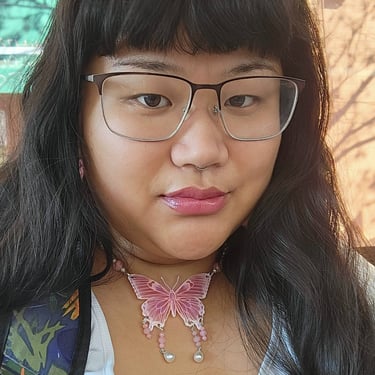
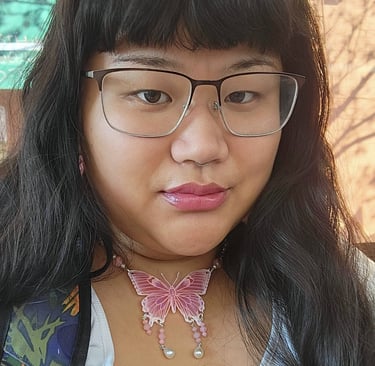
WuChun "Wu" Davis
Jeweler
MEDIUM: shrink plastic, polymer clay, beads
BIO: Hello! I am a jewelry artist, student, and educator based in Los Angeles, California. I am interested in exploring nostalgia and identity through my body of work. The state of the world depresses me, so making art is my escape. I was originally trained in painting and drawing, but since the beginning of 2025, I have been hyper-fixated on creating jewelry. I started with painting on polymer clay, but then dabbled with drawing on shrink-plastic (Shrinky-Dinks). At the beginning of my jewelry journey, I was mostly inspired by Pinterest and folk art. However, as things in the outside world worsened, I started craving my childhood more and more. I noticed that my peers and I long for a time when we felt safe and were blissfully ignorant of the state of the world. So, in response, I started making jewelry that was inspired by my childhood and nostalgia as an expression of that time.
INSTAGRAM: @WooozyStudio
QUESTION 3. Jewelry is experienced up close and on the body. How does imagining a piece in motion—being worn, touched, and lived with—shape your design decisions?
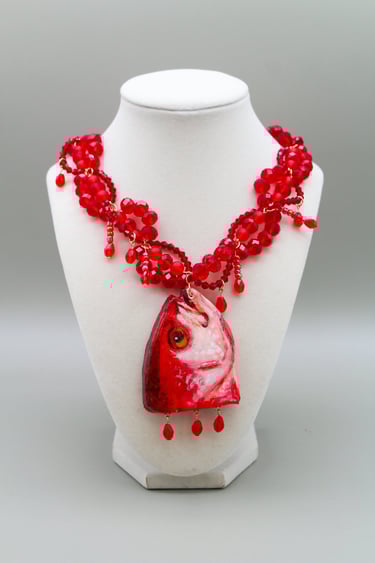
ANSWER 3. I think a lot about the comfortability of my pieces, which is why I refrain from using heavier materials like porcelain or stones. I also think about the visual effects the jewelry will have once worn. For example, with my "Fish Market" necklace, I wanted the necklace part to simulate blood dripping from a wound in the neck, mimicking the fish head with the blood drippings. So, in a way, the wearer is the fish. However, my audience are more drawn to the intricacy of the beadwork, the rich color, and the total surprise of the fish head as the statement piece.
QUESTION 1. Many of your pieces reference childhood memories, like the energy of fish markets or folk motifs. How do you decide which memories are strong enough to translate into something wearable?
ANSWER 1. As an artist, I'm always craving inspiration, and I've found this untapped source within my own mind. Nostalgia is a powerful source of inspiration. It is something that brings us together and is a source of comfort to many. I want to make jewelry that is niche but also relatable to my generation. In these troubling times, I also want to make jewelry that allows the wearer to live in a fantasy. The memories that can be related to are the ones I choose as inspiration for my jewelry. For example, my Chinatown collection is based on my memories of my Asian American upbringing (I'm adopted from China). I wanted to connect with other Asian Americans, so I made this jewelry collection. This is how I decide what memories are strong enough to translate into jewelry.
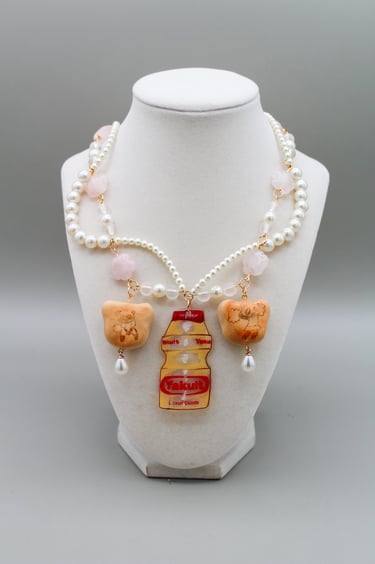
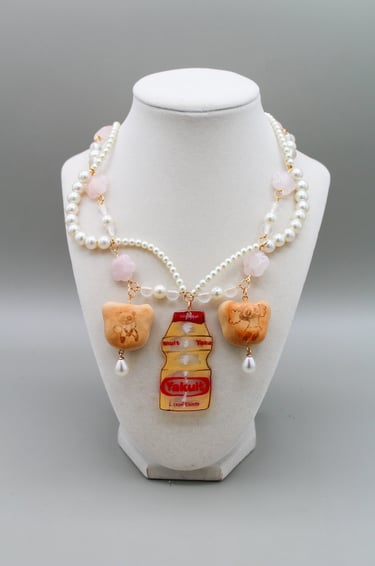
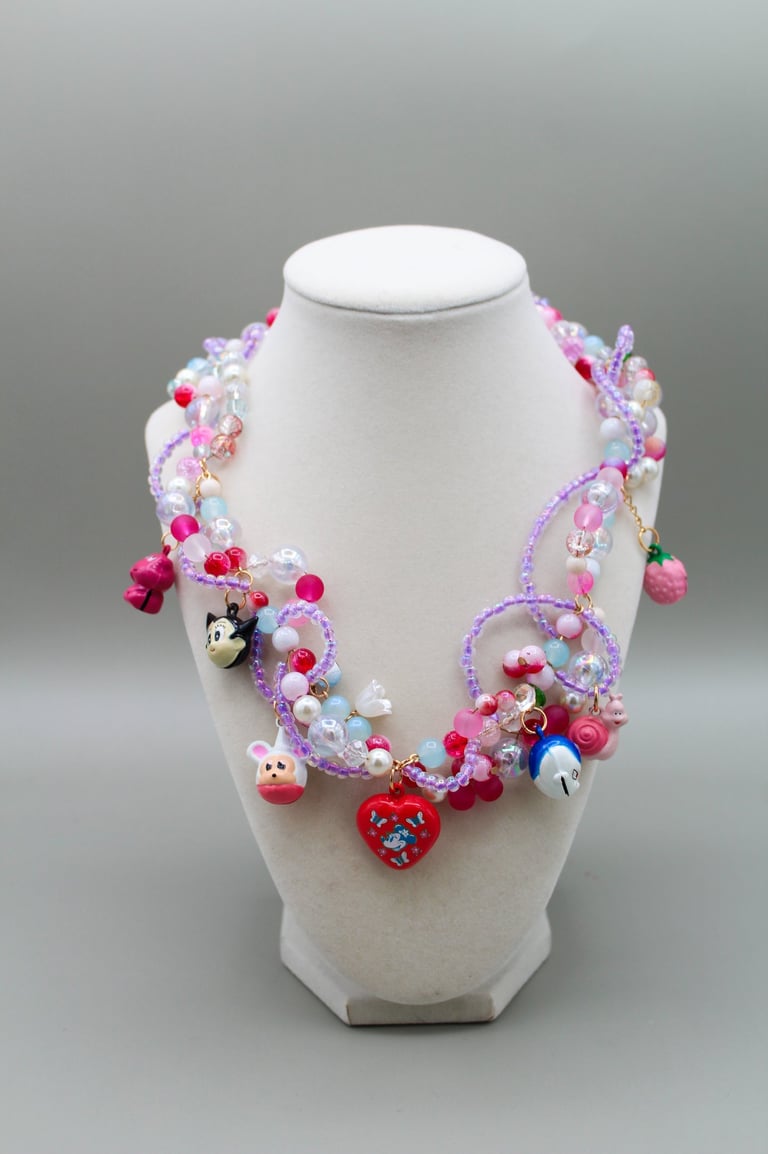
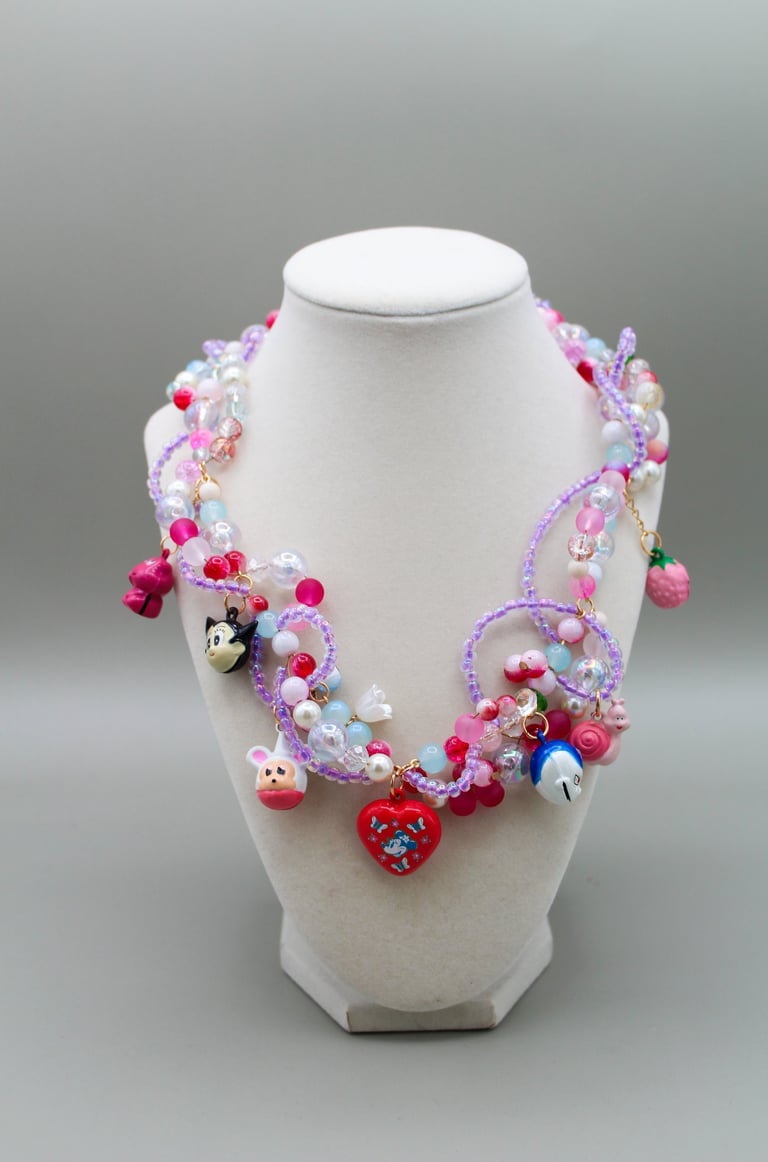
Chinatown: "Asian Snacks" Necklace, 2025, Polymer clay and shrink plastic, 16 inches
All copyright and reproduction rights are reserved by WuChun "Wu" Davis.
Artwork may not be reproduced in any form without the artist's express written permission.
CLICK IMAGE FOR FULL VIEW
CLICK IMAGE FOR FULL VIEW
CLICK IMAGE FOR FULL VIEW
Chinatown: "Trinket" Necklace, 2025, Sourced charms, 18 Inches
Chinatown: "Fish Market" Necklace, 2025, Polymer clay 18 Inches
All images and written materials on this website are protected intellectual property. All copyright and reproduction rights are reserved by KC Magrath.
Artwork may not be reproduced in any form without the artist's express written permission.
Any use of this content to train, develop, or operate generative artificial intelligence or machine-learning systems-whether commercial or non-commercial—is expressly prohibited without prior written permission.
Photos by KC Magrath are reduced in resolution and watermarked. Purchased images will be at the resolution listed in the store and without watermarks.
Purchased digital downloads are intended solely for personal use at the prices listed.
For commercial use or inquiries about designating a photo as a Limited Edition, please email.
Licensing Agreement.
Privacy Policy
Cookies Policy
Giveaway1 & Terms